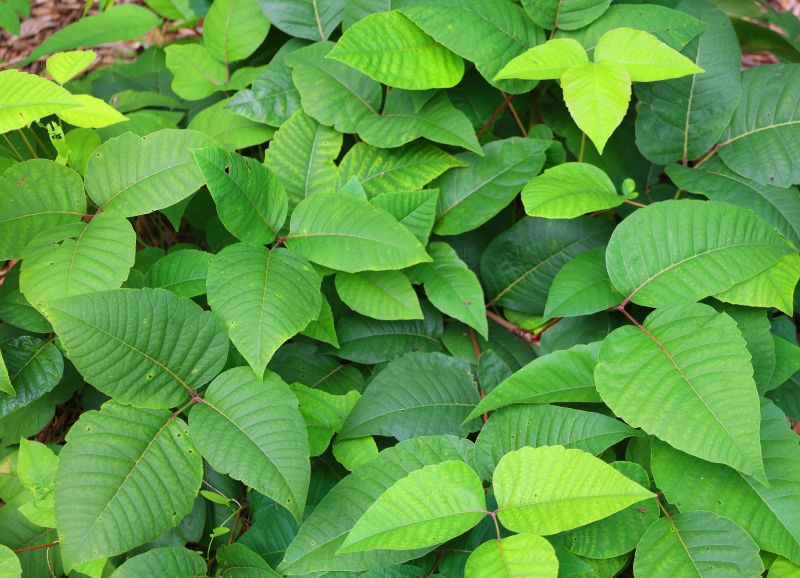
Poison Ivy Removal in Lancaster County, PA
Poison ivy removal services are designed to safely eliminate this common and potentially harmful plant from residential properties. These services typically cover projects such as clearing overgrown areas, removing poison ivy from trees, fences, or shrubs, and restoring yard safety and appearance. Property owners often seek these services when they notice poison ivy spreading across their landscape, especially in areas frequently used for outdoor activities, or when the plant poses a risk to children, pets, or anyone with sensitive skin.
Before requesting poison ivy removal, homeowners should consider the extent of the growth and the location of the plants, including whether they are growing near structures, pathways, or recreational spaces. Understanding the size of the affected area and the type of surrounding vegetation can help determine the appropriate approach. It is also helpful to inquire about the methods used for removal, ensuring that the process minimizes damage to other plants and reduces the risk of poison ivy regrowth.
Many property owners in Lancaster County, PA look into Poison Ivy Removal for repairs, replacements, upgrades, and appearance-related improvements.
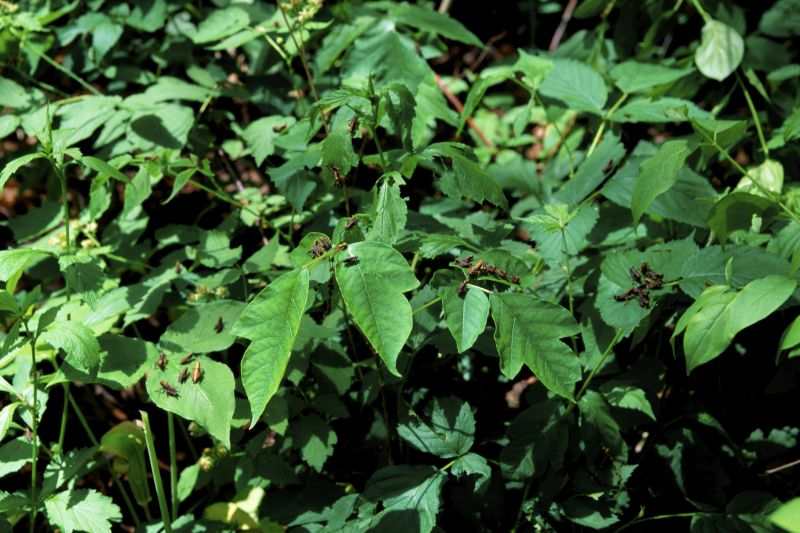
Understanding Poison Ivy
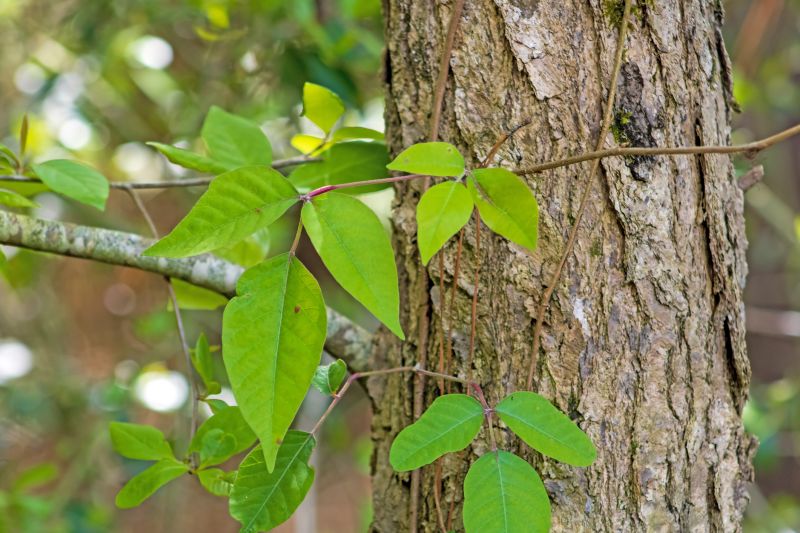
Poison ivy can grow on trees, fences, and ground cover, posing risks to outdoor spaces.
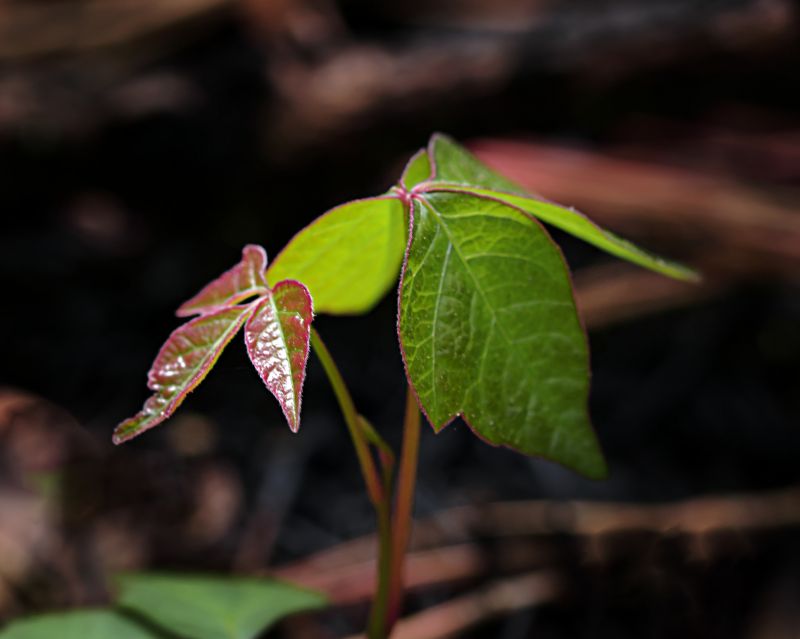
Signs Of Poison Ivy Presence
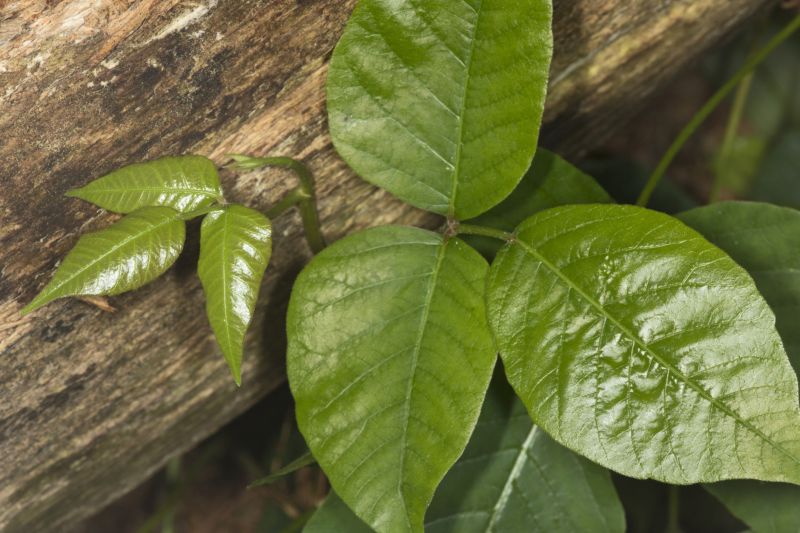
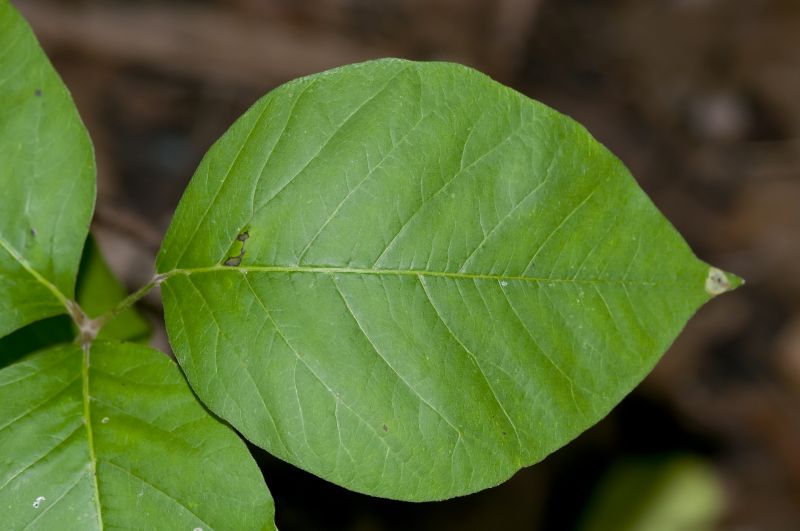
Identifiable by its three-leaf clusters and skin irritation upon contact.
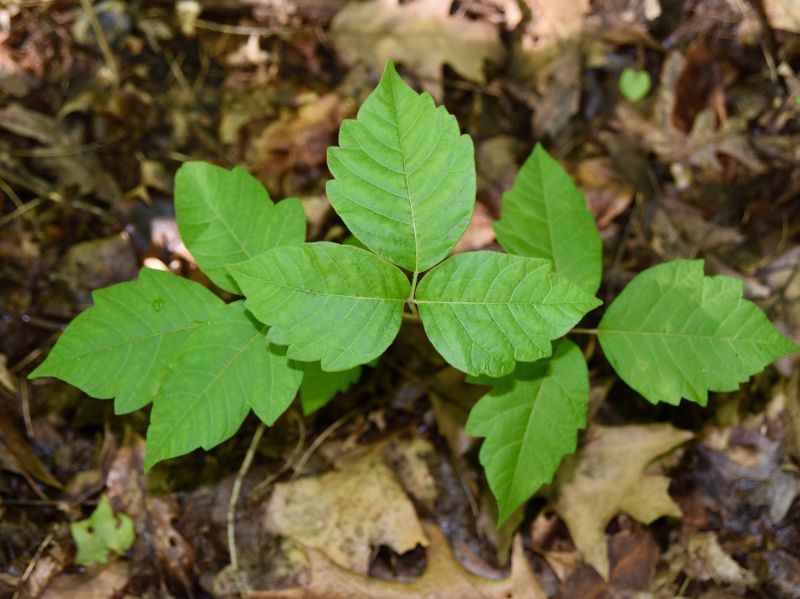
Benefits Of Professional Removal
Expert removal helps prevent the spread and ensures safety for families and pets.
Poison Ivy Removal in Lancaster County, PA
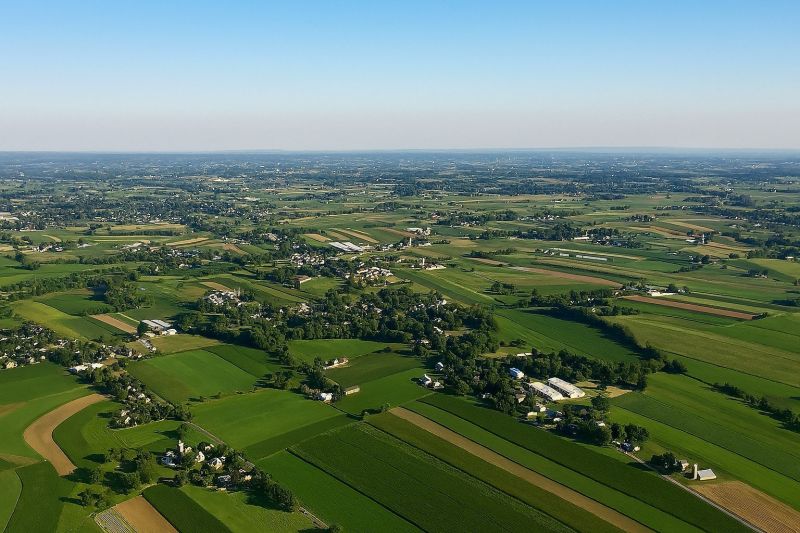
Poison ivy removal services are designed to safely eliminate this common and potentially harmful plant from residential properties. These services typically cover projects such as clearing overgrown areas, removing poison ivy from trees, fences, or shrubs, and restoring yard safety and appearance. Property owners often seek these services when they notice poison ivy spreading across their landscape, especially in areas frequently used for outdoor activities, or when the plant poses a risk to children, pets, or anyone with sensitive skin.
Before requesting poison ivy removal, homeowners should consider the extent of the growth and the location of the plants, including whether they are growing near structures, pathways, or recreational spaces. Understanding the size of the affected area and the type of surrounding vegetation can help determine the appropriate approach. It is also helpful to inquire about the methods used for removal, ensuring that the process minimizes damage to other plants and reduces the risk of poison ivy regrowth.
Many property owners in Lancaster County, PA look into Poison Ivy Removal for repairs, replacements, upgrades, and appearance-related improvements.
Common Poison Ivy Removal Jobs
Poison Ivy Removal - Eliminates invasive plants to protect outdoor spaces and prevent skin irritation.
Yard Clearing - Removes poison ivy from lawns, gardens, and wooded areas for safety and aesthetics.
Property Maintenance - Keeps landscapes free of poison ivy to reduce health risks and improve curb appeal.
Brush and Shrub Clearing - Safely removes poison ivy from overgrown areas and dense vegetation.
Fence Line Clearing - Clears poison ivy along property borders to prevent spread and maintain boundaries.
Tree and Shrub Trimming - Prunes affected plants to remove poison ivy and promote healthy growth.
Poison Ivy Removal Questions
What is poison ivy removal? Poison ivy removal involves safely eliminating the plant from yards, gardens, or landscapes to prevent skin irritation and environmental spread.
Why should poison ivy be removed? Removing poison ivy reduces the risk of skin contact and allergic reactions, while also preventing the plant from spreading to other areas.
What methods are used for poison ivy removal? Methods include manual removal, herbicide application, and root excavation to ensure complete eradication.
When is the best time to remove poison ivy? The best time for removal is during the plant's active growing season, typically late spring through early fall, for effective control.
Request Poison Ivy Removal in Lancaster County, PA
Use the quote form on this page to share the basics of your project and request more information for the type of work you need.