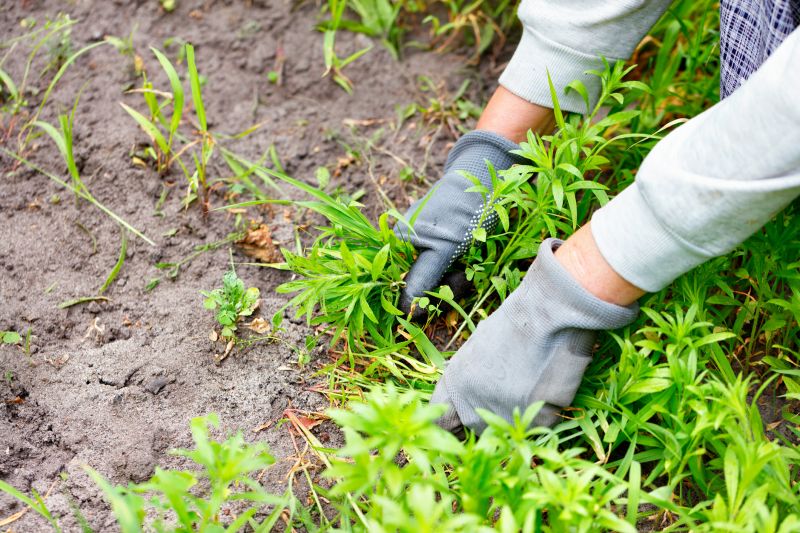
Hemlock Removal in Burlington County, NJ
Hemlock removal services involve safely and effectively eliminating hemlock trees from residential or commercial properties. This type of service is commonly requested when trees pose safety risks, become diseased, or interfere with property development and landscaping plans. Projects can range from removing a single problematic hemlock to clearing multiple trees across larger areas, especially when they are dead, dying, or causing damage to structures or other vegetation. Property owners should consider factors such as the size and location of the trees, potential impacts on surrounding landscapes, and any local regulations related to tree removal before requesting this service.
Homeowners interested in hemlock removal typically want to understand the scope of work involved, including whether stump grinding or debris removal is included, as well as any potential effects on the landscape. It’s also helpful to know if the trees are located near power lines, structures, or drainage systems, which can influence the removal approach. Clarifying these details beforehand can ensure that the project is managed efficiently and aligns with property maintenance goals.
Many property owners in Burlington County, NJ look into Hemlock Removal for repairs, replacements, upgrades, and appearance-related improvements.
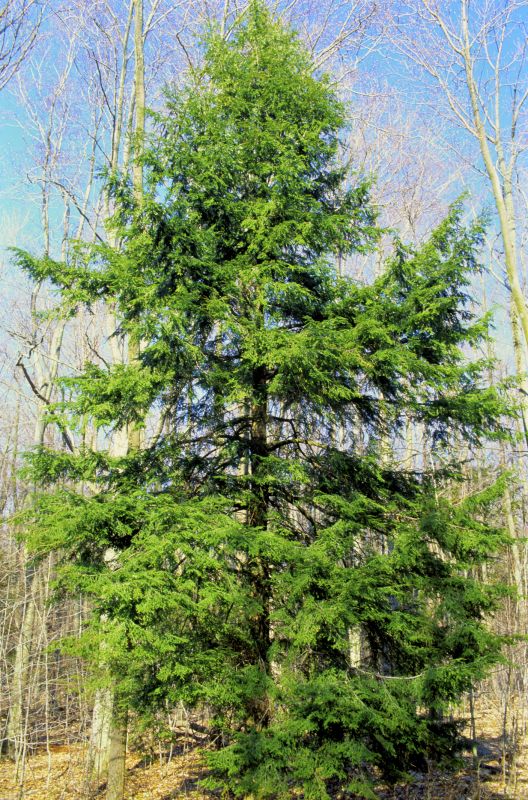
Hazardous Hemlock Removal
Removing unhealthy or damaged hemlocks can improve safety and prevent potential property damage.
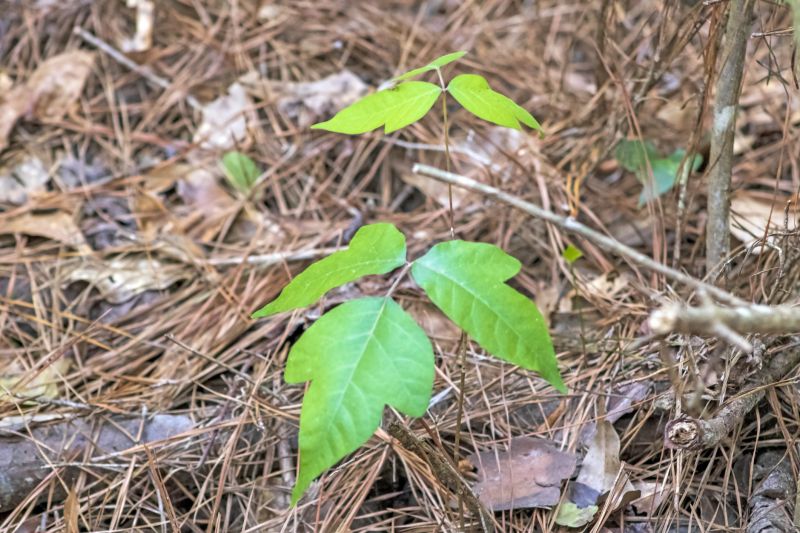
Hemlock Tree Removal Options
Services include selective removal, complete tree removal, and stump grinding to suit different property needs.
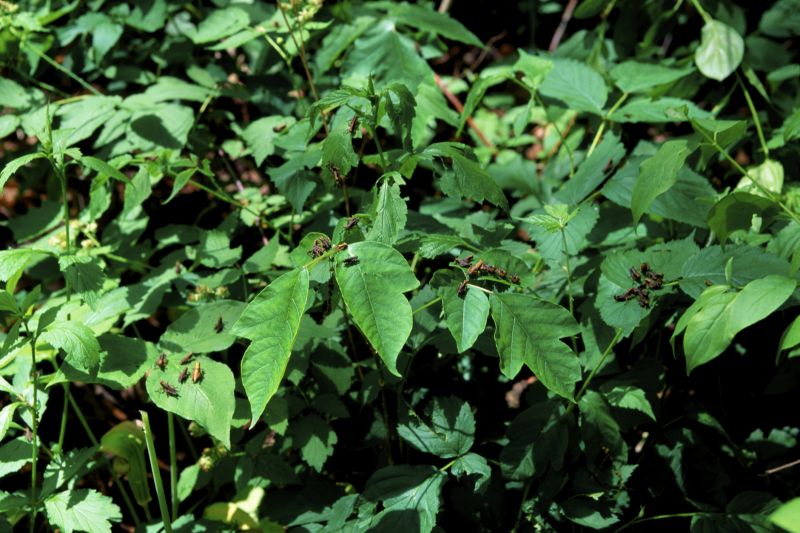
Property Enhancement And Safety
Proper hemlock removal helps maintain the landscape’s health and reduces risks associated with falling branches or trees.
Hemlock Removal in Burlington County, NJ
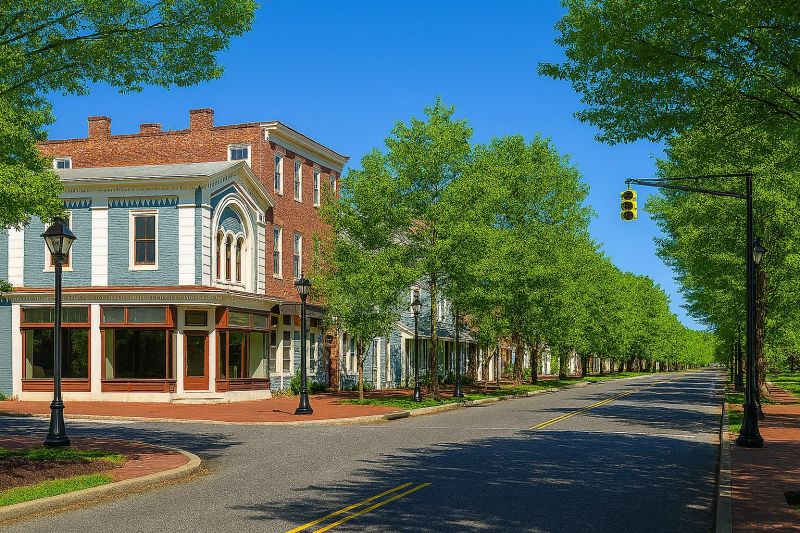
Hemlock removal services involve safely and effectively eliminating hemlock trees from residential or commercial properties. This type of service is commonly requested when trees pose safety risks, become diseased, or interfere with property development and landscaping plans. Projects can range from removing a single problematic hemlock to clearing multiple trees across larger areas, especially when they are dead, dying, or causing damage to structures or other vegetation. Property owners should consider factors such as the size and location of the trees, potential impacts on surrounding landscapes, and any local regulations related to tree removal before requesting this service.
Homeowners interested in hemlock removal typically want to understand the scope of work involved, including whether stump grinding or debris removal is included, as well as any potential effects on the landscape. It’s also helpful to know if the trees are located near power lines, structures, or drainage systems, which can influence the removal approach. Clarifying these details beforehand can ensure that the project is managed efficiently and aligns with property maintenance goals.
Many property owners in Burlington County, NJ look into Hemlock Removal for repairs, replacements, upgrades, and appearance-related improvements.
Common Hemlock Removal Jobs
Hemlock Tree Removal - safely removes hazardous or overgrown hemlock trees to protect property and landscape.
Hemlock Thinning - reduces tree density to improve air circulation and sunlight for remaining trees.
Hemlock Stump Grinding - eliminates stumps after removal to prevent regrowth and create a level yard surface.
Hemlock Health Assessment - evaluates tree condition to identify signs of disease or structural issues.
Hemlock Pruning - trims dead or damaged branches to promote healthy growth and enhance appearance.
Hemlock Preservation - implements strategies to maintain healthy hemlock trees and prevent pest or disease problems.
Hemlock Removal Questions
Why should Hemlock trees be removed? Hemlock trees can pose safety risks if they become unstable or diseased, and removal may be necessary to prevent damage to nearby structures or other landscape issues.
When is the best time for Hemlock removal? The optimal time for removal is typically during the dormant season, when the tree is not actively growing, to reduce stress on the landscape.
What are common reasons for removing Hemlocks? Common reasons include disease, pest infestations, storm damage, or to improve the overall health and safety of the property.
What should property owners consider before removal? It’s important to assess the tree’s location, size, and condition to determine the best removal approach and minimize impact on the surrounding area.
Request Hemlock Removal in Burlington County, NJ
Use the quote form on this page to share the basics of your project and request more information for the type of work you need.